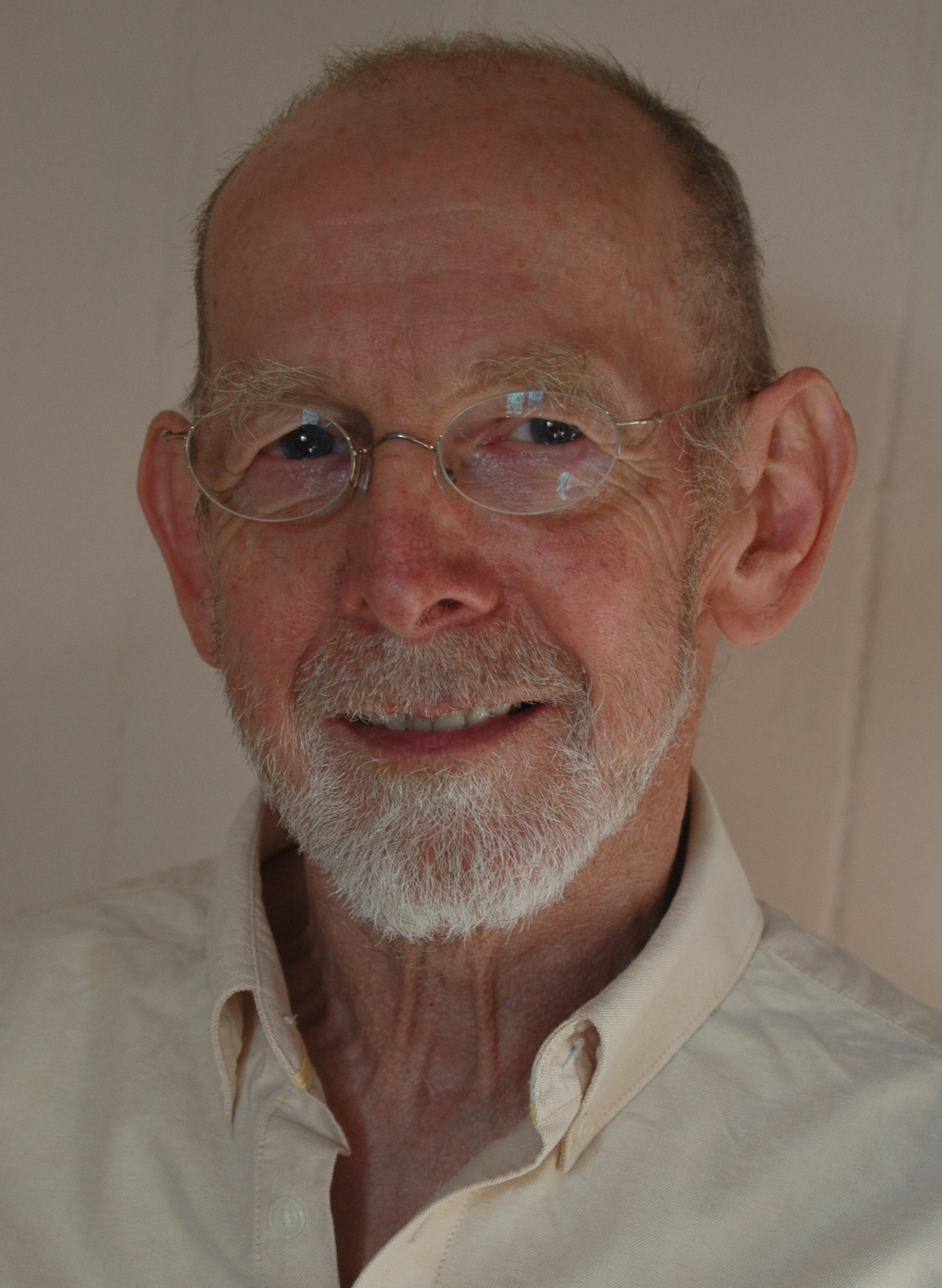
{"id":1016,"date":"2015-09-14T09:58:03","date_gmt":"2015-09-14T09:58:03","guid":{"rendered":"http:\/\/blogs.sussex.ac.uk\/sussexenergygroup\/?p=1016"},"modified":"2015-09-16T10:32:53","modified_gmt":"2015-09-16T10:32:53","slug":"the-language-of-climate-science","status":"publish","type":"post","link":"https:\/\/blogs.sussex.ac.uk\/sussexenergygroup\/2015\/09\/14\/the-language-of-climate-science\/","title":{"rendered":"A slip of the tongue &#8211; the language of climate science"},"content":{"rendered":"<h2>A blog post by Nick Gallie on the language of climate science following the Tyndall Assembly 2015<\/h2>\n<p>Hopes for a legally binding \u201chard\u201d international agreement amongst nations attending the 21st COP in Paris in December are fading. A more likely outcome is a \u201cstrong symbolic agreement\u201d with a built in review mechanism that would allow the \u201cParis Treaty\u201d to be revisited and updated on a regular basis. As the prospects for a binding agreement slip away, so does optimism that the world can keep within the so-called 2 degrees of warming \u201csafe Limit\u201d that is the nominal policy objective of the UNFCCC. That limit itself, from a climate science perspective looks increasingly inappropriate. At last week\u2019s Tyndall Assembly &#8211; a gathering of climate scientists, policy academics, psychologists, energy industry and UK Government representatives, held at the University of Sussex, the mood was very much that even with a global warming target of 1.5 degrees over pre-industrial temperatures, the world would be pushing its luck.<\/p>\n<p>What language then, would be appropriate to describe the impacts of climate change and their risk of occurrence should the world, as looks increasingly likely, find itself committed to \u201csomewhere between three and five degrees\u201d of warming by the end of the century? Language matters a great deal, because policy and action consequent upon policy are determined by it. Policy is constructed and construed within language; it matters profoundly, for example, whether science advice to policy makers is couched in terms of \u201cdanger\u201d or in terms of \u201cadverse or negative consequences\u201d.<\/p>\n<p>Climate science, understandably enough, is concerned with being able to make measurable observations of real world events and quantify probabilities, but policy makers (who are people) and people at large lead their lives in terms of quality, and they respond only to qualitative threats to life as they know it or would have it. Quantity is only of interest as a bearing on quality. We forget this. The \u201cnegative impact\u201d that a risk assessment seeks to evaluate is a qualitative event, not a quantity. A 2 degrees of warming notional boundary is set with respect to increasing likelihoods of qualitatively devastating events occurring as the climate changes in response massive energy build-ups within the global atmosphere.<\/p>\n<p>The language of carbon, carbon dioxide, two degrees, mitigation, adaptation, even the term climate change itself, are hopelessly abstract and completely fail to express or capture quality. The focus on a chemical element (carbon) takes the eye off the interests behind the daily decisions that ensure the planet\u2019s energy balance is thrown ever more out of kilter. This is a major reason why \u2018climate change\u201d has so significantly failed to engage policy makers and the public at large in the sense of triggering dramatic action and fundamental change necessary to avert a global lock-in to a catastrophic future.<\/p>\n<p>But the linguistic problem, surely the most easy to solve among this problem of problems that constitutes climate change, turns out not to be not so easy at all. The scale &#8211; the global framing, the futurity, the imponderability of climate negotiation mechanisms, all these ways of talking about it, drag climate change out of the reach of lives lived now and crucially, out of reach of qualitative affect. Unless of course one\u2019s life is visited by a climate induced event that shatters one\u2019s sense of place in the world. But for the vast majority of us who live in advanced economies, this has not the case.<\/p>\n<p>How about systemic threat? How about the combined effects of crop failure, mass starvation, heat stroke, water stress, economic collapse, endemic conflict, enforced mass migration (refugees or economic migrants?), new pandemics, of which we are witnessing only the tip of the iceberg (to use a very unfortunate metaphor) today? Does it help to take a systems view of climate change impacts if one-off events don\u2019t cut it? But then we are driven to the limit of language to even begin to describe what all this might mean in terms of quality, of suffering, of consequence.<\/p>\n<p>Where is this driving? In the Tyndall Assembly it was noted how the language of climate science and policy is already sliding further and further into the abstract, necessary perhaps to ameliorate the collective failure (not ours, surely) to address the reality unfolding before us; language whose quantity is multiplying exponentially along with the number of aspects and avenues of the problematique that analysis reveals, while its quality is more and more sifted of affective potential. A sliding language that retreats lock step with sliding policy goals and the determination to meet them. We are like the hare, caught in the headlamps of the <em>thing<\/em> that is bearing down upon us but which we can neither describe nor react to because, like the hare, we don\u2019t have the language for it.<\/p>\n<p>We ask, what can we do right now, we who are dumbstruck in the face our finitude? And the answer is <em>speak . <\/em>To pull climate change into the present, to bring it down to our size, we have first to make it present in our lives so that it touches and hurts. Take a leaf out of <a href=\"https:\/\/www.waterstones.com\/book\/2071\/chris-rapley\/duncan-macmillan\/9781473622159\" target=\"_blank\">Chris Rapley\u2019s book (subject of a brilliant Royal Court Theatre performance earlier this year)\u00a0 <em>2071, The world we will leave our grandchildren<\/em><\/a>, or go for a walk among wildflowers and chase butterflies whose fate is already sealed &#8211; and weep. Our first duty is to make this <em>thing<\/em> real in our own lives, by whatever means, and then from that feeling, from that realisation of quality &#8211; act within our own spheres of influence, limited though these most certainly are. Action has a strange quality. In the presentness of action, boundaries dissolve and the nature of what is possible opens up. Anyone who has taken \u201cpolitical\u201d action will tell you this is true.<\/p>\n<p>Did I say something inappropriate. A slip of the tongue, surely? Does feeling really have a place in an academic science policy forum? This was the subject of a debate in the University of Sussex\u2019s Politics of Nature forum that ran simultaneously with the Tyndall Assembly. A great pity there was no cross over between the events. Without feeling, the forum mused, how are the people to rise up &#8211; us in whose name the world is being consigned to oblivion.<\/p>\n<p>&nbsp;<\/p>\n<h4>Nick Gallie is a Doctoral Researcher (PhD Candidate) at the Science Policy Research Unit (SPRU), Sussex University<\/h4>\n<div id=\"page\">\n<div id=\"columns\" class=\"nc\">\n<div id=\"content\">\n<div class=\"profile\">\n<p class=\"profile-divider\"><a href=\"https:\/\/i1.wp.com\/blogs.sussex.ac.uk\/sussexenergygroup\/files\/2015\/02\/nick-pic3.jpg\"><img loading=\"lazy\" class=\"alignleft wp-image-619\" src=\"https:\/\/i1.wp.com\/blogs.sussex.ac.uk\/sussexenergygroup\/files\/2015\/02\/nick-pic3.jpg?resize=120%2C164\" alt=\"A photograph of Nick Gallie\" width=\"120\" height=\"164\" srcset=\"https:\/\/i1.wp.com\/blogs.sussex.ac.uk\/sussexenergygroup\/files\/2015\/02\/nick-pic3.jpg?resize=219%2C300&amp;ssl=1 219w, https:\/\/i1.wp.com\/blogs.sussex.ac.uk\/sussexenergygroup\/files\/2015\/02\/nick-pic3.jpg?resize=749%2C1024&amp;ssl=1 749w, https:\/\/i1.wp.com\/blogs.sussex.ac.uk\/sussexenergygroup\/files\/2015\/02\/nick-pic3.jpg?resize=100%2C136&amp;ssl=1 100w, https:\/\/i1.wp.com\/blogs.sussex.ac.uk\/sussexenergygroup\/files\/2015\/02\/nick-pic3.jpg?resize=150%2C204&amp;ssl=1 150w, https:\/\/i1.wp.com\/blogs.sussex.ac.uk\/sussexenergygroup\/files\/2015\/02\/nick-pic3.jpg?resize=200%2C273&amp;ssl=1 200w, https:\/\/i1.wp.com\/blogs.sussex.ac.uk\/sussexenergygroup\/files\/2015\/02\/nick-pic3.jpg?resize=300%2C409&amp;ssl=1 300w, https:\/\/i1.wp.com\/blogs.sussex.ac.uk\/sussexenergygroup\/files\/2015\/02\/nick-pic3.jpg?resize=450%2C614&amp;ssl=1 450w, https:\/\/i1.wp.com\/blogs.sussex.ac.uk\/sussexenergygroup\/files\/2015\/02\/nick-pic3.jpg?resize=600%2C819&amp;ssl=1 600w, https:\/\/i1.wp.com\/blogs.sussex.ac.uk\/sussexenergygroup\/files\/2015\/02\/nick-pic3.jpg?resize=900%2C1229&amp;ssl=1 900w, https:\/\/i1.wp.com\/blogs.sussex.ac.uk\/sussexenergygroup\/files\/2015\/02\/nick-pic3.jpg?w=1173&amp;ssl=1 1173w, https:\/\/i1.wp.com\/blogs.sussex.ac.uk\/sussexenergygroup\/files\/2015\/02\/nick-pic3.jpg?w=1100 1100w\" sizes=\"(max-width: 120px) 100vw, 120px\" data-recalc-dims=\"1\" \/><\/a>Born and Educated in Scotland,\u00a0Nick\u00a0attained an MA Hons in Economic Science from the University of Aberdeen in 1970 before moving\u00a0to London\u00a0and taking\u00a0up a career in advertising, new product development and organisational communications. During the &#8217;80s and &#8217;90s Nick\u00a0worked at Greenpeace in the UK, first as fundraiser then Creative Director, Campaigns and Communications Director and finally Logistics (Direct Action) Director. In 2000 He\u00a0set up a consultancy specializing in campaign and communications design before returning to academia in 2010 to study Human Rights and Science Policy. \u00a0Nick enjoys hill walking and horse riding and both\u00a0practicing and studying tai chi and meditation. \u00a0Nick tweets at\u00a0@nickgtweet<\/p>\n<\/div>\n<\/div>\n<\/div>\n<\/div>\n<div id=\"page\"><\/div>\nFollow Sussex Energy Group      <span class=\"synved-social-container synved-social-container-follow\"><a class=\"synved-social-button synved-social-button-follow synved-social-size-16 synved-social-resolution-single synved-social-provider-facebook nolightbox\" data-provider=\"facebook\" target=\"_blank\" rel=\"nofollow\" title=\"Follow us on Facebook\" href=\"https:\/\/www.facebook.com\/pages\/Sussex-Energy-Group\/448345351971248?ref=hl\" style=\"font-size: 0px; width:16px;height:16px;margin:0;margin-bottom:5px;margin-right:5px;\"><img alt=\"Facebook\" title=\"Follow us on Facebook\" class=\"synved-share-image synved-social-image synved-social-image-follow\" width=\"16\" height=\"16\" style=\"display: inline; width:16px;height:16px; margin: 0; padding: 0; border: none; box-shadow: none;\" src=\"https:\/\/i0.wp.com\/blogs.sussex.ac.uk\/sussexenergygroup\/wp-content\/plugins\/social-media-feather\/synved-social\/image\/social\/regular\/32x32\/facebook.png?resize=16%2C16&#038;ssl=1\" data-recalc-dims=\"1\" \/><\/a><a class=\"synved-social-button synved-social-button-follow synved-social-size-16 synved-social-resolution-single synved-social-provider-twitter nolightbox\" data-provider=\"twitter\" target=\"_blank\" rel=\"nofollow\" title=\"Follow us on Twitter\" href=\"https:\/\/twitter.com\/SussexNRGGroup\" style=\"font-size: 0px; width:16px;height:16px;margin:0;margin-bottom:5px;margin-right:5px;\"><img alt=\"twitter\" title=\"Follow us on Twitter\" class=\"synved-share-image synved-social-image synved-social-image-follow\" width=\"16\" height=\"16\" style=\"display: inline; width:16px;height:16px; margin: 0; padding: 0; border: none; box-shadow: none;\" src=\"https:\/\/i2.wp.com\/blogs.sussex.ac.uk\/sussexenergygroup\/wp-content\/plugins\/social-media-feather\/synved-social\/image\/social\/regular\/32x32\/twitter.png?resize=16%2C16&#038;ssl=1\" data-recalc-dims=\"1\" \/><\/a><a class=\"synved-social-button synved-social-button-follow synved-social-size-16 synved-social-resolution-single synved-social-provider-linkedin nolightbox\" data-provider=\"linkedin\" target=\"_blank\" rel=\"nofollow\" title=\"Find us on Linkedin\" href=\"https:\/\/www.linkedin.com\/company\/sussex-energy-group\" style=\"font-size: 0px; width:16px;height:16px;margin:0;margin-bottom:5px;\"><img alt=\"linkedin\" title=\"Find us on Linkedin\" class=\"synved-share-image synved-social-image synved-social-image-follow\" width=\"16\" height=\"16\" style=\"display: inline; width:16px;height:16px; margin: 0; padding: 0; border: none; box-shadow: none;\" src=\"https:\/\/i2.wp.com\/blogs.sussex.ac.uk\/sussexenergygroup\/wp-content\/plugins\/social-media-feather\/synved-social\/image\/social\/regular\/32x32\/linkedin.png?resize=16%2C16&#038;ssl=1\" data-recalc-dims=\"1\" \/><\/a><\/span>","protected":false},"excerpt":{"rendered":"<p>A blog post by Nick Gallie on the language of climate science following the Tyndall Assembly 2015 Hopes for a legally binding \u201chard\u201d international agreement amongst nations attending the 21st COP in Paris in December are fading. A more likely<span class=\"ellipsis\">&hellip;<\/span><\/p>\n<div class=\"read-more\"><a href=\"https:\/\/blogs.sussex.ac.uk\/sussexenergygroup\/2015\/09\/14\/the-language-of-climate-science\/\">Read more &#8250;<\/a><\/div>\n<p><!-- end of .read-more --><\/p>\n","protected":false},"author":157,"featured_media":0,"comment_status":"open","ping_status":"open","sticky":false,"template":"","format":"standard","meta":{"spay_email":"","jetpack_publicize_message":"","jetpack_is_tweetstorm":false},"categories":[96027,96042,34914],"tags":[96068,96066,96070,96069,96071,41041,96067,59977],"yoast_head":"<!-- This site is optimized with the Yoast SEO plugin v16.6.1 - https:\/\/yoast.com\/wordpress\/plugins\/seo\/ -->\n<meta name=\"description\" content=\"A post By Nick Gallie following the Tyndall Assembly 2015 (#TYN15) on the language used within climate science (and policy) and how we relate to it.\" \/>\n<meta name=\"robots\" content=\"index, follow, max-snippet:-1, max-image-preview:large, max-video-preview:-1\" \/>\n<link rel=\"canonical\" href=\"https:\/\/blogs.sussex.ac.uk\/sussexenergygroup\/2015\/09\/14\/the-language-of-climate-science\/\" \/>\n<meta property=\"og:locale\" content=\"en_GB\" \/>\n<meta property=\"og:type\" content=\"article\" \/>\n<meta property=\"og:title\" content=\"NIck Gallie writes on the language o climate science and how we relate to it\" \/>\n<meta property=\"og:description\" content=\"A post By Nick Gallie following the Tyndall Assembly 2015 (#TYN15) on the language used within climate science (and policy) and how we relate to it.\" \/>\n<meta property=\"og:url\" content=\"https:\/\/blogs.sussex.ac.uk\/sussexenergygroup\/2015\/09\/14\/the-language-of-climate-science\/\" \/>\n<meta property=\"og:site_name\" content=\"Sussex Energy Group at SPRU\" \/>\n<meta property=\"article:published_time\" content=\"2015-09-14T09:58:03+00:00\" \/>\n<meta property=\"article:modified_time\" content=\"2015-09-16T10:32:53+00:00\" \/>\n<meta property=\"og:image\" content=\"http:\/\/blogs.sussex.ac.uk\/sussexenergygroup\/files\/2015\/02\/nick-pic3-219x300.jpg\" \/>\n<meta name=\"twitter:card\" content=\"summary\" \/>\n<meta name=\"twitter:label1\" content=\"Estimated reading time\" \/>\n\t<meta name=\"twitter:data1\" content=\"6 minutes\" \/>\n<script type=\"application\/ld+json\" class=\"yoast-schema-graph\">{\"@context\":\"https:\/\/schema.org\",\"@graph\":[{\"@type\":\"Organization\",\"@id\":\"http:\/\/blogs.sussex.ac.uk\/sussexenergygroup\/#organization\",\"name\":\"Sussex Energy Group at SPRU\",\"url\":\"http:\/\/blogs.sussex.ac.uk\/sussexenergygroup\/\",\"sameAs\":[],\"logo\":{\"@type\":\"ImageObject\",\"@id\":\"http:\/\/blogs.sussex.ac.uk\/sussexenergygroup\/#logo\",\"inLanguage\":\"en-GB\",\"url\":\"https:\/\/i0.wp.com\/blogs.sussex.ac.uk\/sussexenergygroup\/files\/2015\/06\/Energy_landscape_rgb-from-Charlotte-360width.jpg?fit=2232%2C360&ssl=1\",\"contentUrl\":\"https:\/\/i0.wp.com\/blogs.sussex.ac.uk\/sussexenergygroup\/files\/2015\/06\/Energy_landscape_rgb-from-Charlotte-360width.jpg?fit=2232%2C360&ssl=1\",\"width\":2232,\"height\":360,\"caption\":\"Sussex Energy Group at SPRU\"},\"image\":{\"@id\":\"http:\/\/blogs.sussex.ac.uk\/sussexenergygroup\/#logo\"}},{\"@type\":\"WebSite\",\"@id\":\"http:\/\/blogs.sussex.ac.uk\/sussexenergygroup\/#website\",\"url\":\"http:\/\/blogs.sussex.ac.uk\/sussexenergygroup\/\",\"name\":\"Sussex Energy Group at SPRU\",\"description\":\"Researching ways to achieve the transition to sustainable, low carbon energy systems\",\"publisher\":{\"@id\":\"http:\/\/blogs.sussex.ac.uk\/sussexenergygroup\/#organization\"},\"potentialAction\":[{\"@type\":\"SearchAction\",\"target\":{\"@type\":\"EntryPoint\",\"urlTemplate\":\"http:\/\/blogs.sussex.ac.uk\/sussexenergygroup\/?s={search_term_string}\"},\"query-input\":\"required name=search_term_string\"}],\"inLanguage\":\"en-GB\"},{\"@type\":\"ImageObject\",\"@id\":\"https:\/\/blogs.sussex.ac.uk\/sussexenergygroup\/2015\/09\/14\/the-language-of-climate-science\/#primaryimage\",\"inLanguage\":\"en-GB\",\"url\":\"http:\/\/blogs.sussex.ac.uk\/sussexenergygroup\/files\/2015\/02\/nick-pic3-219x300.jpg\",\"contentUrl\":\"http:\/\/blogs.sussex.ac.uk\/sussexenergygroup\/files\/2015\/02\/nick-pic3-219x300.jpg\"},{\"@type\":\"WebPage\",\"@id\":\"https:\/\/blogs.sussex.ac.uk\/sussexenergygroup\/2015\/09\/14\/the-language-of-climate-science\/#webpage\",\"url\":\"https:\/\/blogs.sussex.ac.uk\/sussexenergygroup\/2015\/09\/14\/the-language-of-climate-science\/\",\"name\":\"A slip of the tongue - the language of climate science - Sussex Energy Group at SPRU\",\"isPartOf\":{\"@id\":\"http:\/\/blogs.sussex.ac.uk\/sussexenergygroup\/#website\"},\"primaryImageOfPage\":{\"@id\":\"https:\/\/blogs.sussex.ac.uk\/sussexenergygroup\/2015\/09\/14\/the-language-of-climate-science\/#primaryimage\"},\"datePublished\":\"2015-09-14T09:58:03+00:00\",\"dateModified\":\"2015-09-16T10:32:53+00:00\",\"description\":\"A post By Nick Gallie following the Tyndall Assembly 2015 (#TYN15) on the language used within climate science (and policy) and how we relate to it.\",\"breadcrumb\":{\"@id\":\"https:\/\/blogs.sussex.ac.uk\/sussexenergygroup\/2015\/09\/14\/the-language-of-climate-science\/#breadcrumb\"},\"inLanguage\":\"en-GB\",\"potentialAction\":[{\"@type\":\"ReadAction\",\"target\":[\"https:\/\/blogs.sussex.ac.uk\/sussexenergygroup\/2015\/09\/14\/the-language-of-climate-science\/\"]}]},{\"@type\":\"BreadcrumbList\",\"@id\":\"https:\/\/blogs.sussex.ac.uk\/sussexenergygroup\/2015\/09\/14\/the-language-of-climate-science\/#breadcrumb\",\"itemListElement\":[{\"@type\":\"ListItem\",\"position\":1,\"name\":\"Home\",\"item\":\"http:\/\/blogs.sussex.ac.uk\/sussexenergygroup\/\"},{\"@type\":\"ListItem\",\"position\":2,\"name\":\"A slip of the tongue &#8211; the language of climate science\"}]},{\"@type\":\"Article\",\"@id\":\"https:\/\/blogs.sussex.ac.uk\/sussexenergygroup\/2015\/09\/14\/the-language-of-climate-science\/#article\",\"isPartOf\":{\"@id\":\"https:\/\/blogs.sussex.ac.uk\/sussexenergygroup\/2015\/09\/14\/the-language-of-climate-science\/#webpage\"},\"author\":{\"@id\":\"http:\/\/blogs.sussex.ac.uk\/sussexenergygroup\/#\/schema\/person\/a0a593df140587b54c4c58ed7aa334a5\"},\"headline\":\"A slip of the tongue &#8211; the language of climate science\",\"datePublished\":\"2015-09-14T09:58:03+00:00\",\"dateModified\":\"2015-09-16T10:32:53+00:00\",\"mainEntityOfPage\":{\"@id\":\"https:\/\/blogs.sussex.ac.uk\/sussexenergygroup\/2015\/09\/14\/the-language-of-climate-science\/#webpage\"},\"wordCount\":1195,\"commentCount\":1,\"publisher\":{\"@id\":\"http:\/\/blogs.sussex.ac.uk\/sussexenergygroup\/#organization\"},\"image\":{\"@id\":\"https:\/\/blogs.sussex.ac.uk\/sussexenergygroup\/2015\/09\/14\/the-language-of-climate-science\/#primaryimage\"},\"thumbnailUrl\":\"http:\/\/blogs.sussex.ac.uk\/sussexenergygroup\/files\/2015\/02\/nick-pic3-219x300.jpg\",\"keywords\":[\"#TYN15\",\"COP 21\",\"language of climate science\",\"Paris treaty\",\"Politics of Nature\",\"SPRU\",\"Tyndall Conference\",\"University of Sussex\"],\"articleSection\":[\"All Posts\",\"Conferences and events\",\"policy\"],\"inLanguage\":\"en-GB\",\"potentialAction\":[{\"@type\":\"CommentAction\",\"name\":\"Comment\",\"target\":[\"https:\/\/blogs.sussex.ac.uk\/sussexenergygroup\/2015\/09\/14\/the-language-of-climate-science\/#respond\"]}]},{\"@type\":\"Person\",\"@id\":\"http:\/\/blogs.sussex.ac.uk\/sussexenergygroup\/#\/schema\/person\/a0a593df140587b54c4c58ed7aa334a5\",\"name\":\"Nicholas Gallie\",\"url\":\"https:\/\/blogs.sussex.ac.uk\/sussexenergygroup\/author\/nig21\/\"}]}<\/script>\n<!-- \/ Yoast SEO plugin. -->","jetpack_featured_media_url":"","jetpack_publicize_connections":[],"jetpack_sharing_enabled":true,"jetpack_shortlink":"https:\/\/wp.me\/p5oaUf-go","jetpack-related-posts":[{"id":1201,"url":"https:\/\/blogs.sussex.ac.uk\/sussexenergygroup\/2016\/01\/06\/was-cop21-a-failure-or-a-success\/","url_meta":{"origin":1016,"position":0},"title":"Was COP21 a failure or a success?","date":"6 January 2016","format":false,"excerpt":"On her return from the COP21 climate change conference, Sandra Pointel considered the hefty debate over whether the Paris Agreement is a success or a failure. The polarisation between bad and good views of the deal is no surprise to anybody familiar with the politics of sustainability in general, and\u2026","rel":"","context":"In &quot;All Posts&quot;","img":{"alt_text":"","src":"","width":0,"height":0},"classes":[]},{"id":618,"url":"https:\/\/blogs.sussex.ac.uk\/sussexenergygroup\/2015\/02\/09\/shadows-over-cop21\/","url_meta":{"origin":1016,"position":1},"title":"Shadows over COP21","date":"9 February 2015","format":false,"excerpt":"While the IPCC\u2019s 5th Assessment Report demonstrates an increased confidence among the world\u2019s climate scientists of the causal relationship between anthropogenic (man made) greenhouse gas emissions and a dangerously warming planet, paradoxically, it will not necessarily be the science that drives the negotiation processes at the 21st Conference of the\u2026","rel":"","context":"In &quot;All Posts&quot;","img":{"alt_text":"","src":"https:\/\/i0.wp.com\/blogs.sussex.ac.uk\/sussexenergygroup\/files\/2015\/02\/nick-pic3-219x300.jpg?resize=350%2C200","width":350,"height":200},"classes":[]},{"id":703,"url":"https:\/\/blogs.sussex.ac.uk\/sussexenergygroup\/2015\/04\/21\/experiments-in-climate-governance-reflections-on-a-workshop\/","url_meta":{"origin":1016,"position":2},"title":"Experiments in Climate Governance \u2013 Reflections on a workshop","date":"21 April 2015","format":false,"excerpt":"In early March 2015, the Finnish Environment Institute (SYKE) hosted the \u2018Innovations in Climate Governance\u2019 (INOGOV) workshop. The INOGOV is a Tyndall Centre for Climate change research initiative, which started in 2014, and is a 4 year funded programme by the European Co-operation in Science and Technology (COST). The initiative\u2026","rel":"","context":"In &quot;All Posts&quot;","img":{"alt_text":"","src":"","width":0,"height":0},"classes":[]},{"id":1990,"url":"https:\/\/blogs.sussex.ac.uk\/sussexenergygroup\/2019\/07\/01\/household-consumption-policy-brief\/","url_meta":{"origin":1016,"position":3},"title":"The role of policy in reducing household carbon emissions","date":"1 July 2019","format":false,"excerpt":"As we have seen from the recent wave of climate protests, even one individual \u2013 a 16-year old Swedish girl called Greta Thunberg \u2013 can make a huge difference when it comes to tackling climate change. If every household contributed to emissions reductions by making certain lifestyle changes, we could\u2026","rel":"","context":"In &quot;All Posts&quot;","img":{"alt_text":"","src":"https:\/\/i1.wp.com\/blogs.sussex.ac.uk\/sussexenergygroup\/files\/2019\/07\/aircraft-airplane-airport-730778.jpg?fit=1200%2C675&ssl=1&resize=350%2C200","width":350,"height":200},"classes":[]},{"id":41,"url":"https:\/\/blogs.sussex.ac.uk\/sussexenergygroup\/2014\/01\/28\/eu-2030-climate-and-energy-package-leaves-unanswered-questions\/","url_meta":{"origin":1016,"position":4},"title":"EU 2030 Climate and Energy Package leaves unanswered questions","date":"28 January 2014","format":false,"excerpt":"The recent European Commission Communication on a 2030 climate and energy package is high Brussels compromise that falls short of two important goals. It has failed to bring clarity to the energy sector and done little to address concerns that there still exists a significant discrepancy between EU policy goals,\u2026","rel":"","context":"In &quot;All Posts&quot;","img":{"alt_text":"","src":"","width":0,"height":0},"classes":[]},{"id":2616,"url":"https:\/\/blogs.sussex.ac.uk\/sussexenergygroup\/2023\/01\/11\/the-dynamics-of-global-public-research-funding-on-climate-change-energy-transport-and-industrial-decarbonisation\/","url_meta":{"origin":1016,"position":5},"title":"The Dynamics of Global Public Research Funding on Climate Change, Energy, Transport, and Industrial Decarbonisation","date":"11 January 2023","format":false,"excerpt":"By\u00a0Benjamin K. Sovacool,\u00a0Chux Daniels\u00a0and\u00a0Abdulrafiu Abbas This blog was first published on 15 December 2022 on the \u00a0Transformative Innovation Policy Consortium (TIPC) blog. The original can be found here. Thirty years of climate research funding have overlooked the potential of experimental transformative technologies. A new study by academics from the University\u2026","rel":"","context":"In &quot;All Posts&quot;","img":{"alt_text":"","src":"https:\/\/i2.wp.com\/blogs.sussex.ac.uk\/sussexenergygroup\/files\/2023\/01\/Screenshot-2023-01-11-at-14.11.58.png?resize=350%2C200&ssl=1","width":350,"height":200},"classes":[]}],"_links":{"self":[{"href":"https:\/\/blogs.sussex.ac.uk\/sussexenergygroup\/wp-json\/wp\/v2\/posts\/1016"}],"collection":[{"href":"https:\/\/blogs.sussex.ac.uk\/sussexenergygroup\/wp-json\/wp\/v2\/posts"}],"about":[{"href":"https:\/\/blogs.sussex.ac.uk\/sussexenergygroup\/wp-json\/wp\/v2\/types\/post"}],"author":[{"embeddable":true,"href":"https:\/\/blogs.sussex.ac.uk\/sussexenergygroup\/wp-json\/wp\/v2\/users\/157"}],"replies":[{"embeddable":true,"href":"https:\/\/blogs.sussex.ac.uk\/sussexenergygroup\/wp-json\/wp\/v2\/comments?post=1016"}],"version-history":[{"count":8,"href":"https:\/\/blogs.sussex.ac.uk\/sussexenergygroup\/wp-json\/wp\/v2\/posts\/1016\/revisions"}],"predecessor-version":[{"id":1031,"href":"https:\/\/blogs.sussex.ac.uk\/sussexenergygroup\/wp-json\/wp\/v2\/posts\/1016\/revisions\/1031"}],"wp:attachment":[{"href":"https:\/\/blogs.sussex.ac.uk\/sussexenergygroup\/wp-json\/wp\/v2\/media?parent=1016"}],"wp:term":[{"taxonomy":"category","embeddable":true,"href":"https:\/\/blogs.sussex.ac.uk\/sussexenergygroup\/wp-json\/wp\/v2\/categories?post=1016"},{"taxonomy":"post_tag","embeddable":true,"href":"https:\/\/blogs.sussex.ac.uk\/sussexenergygroup\/wp-json\/wp\/v2\/tags?post=1016"}],"curies":[{"name":"wp","href":"https:\/\/api.w.org\/{rel}","templated":true}]}}