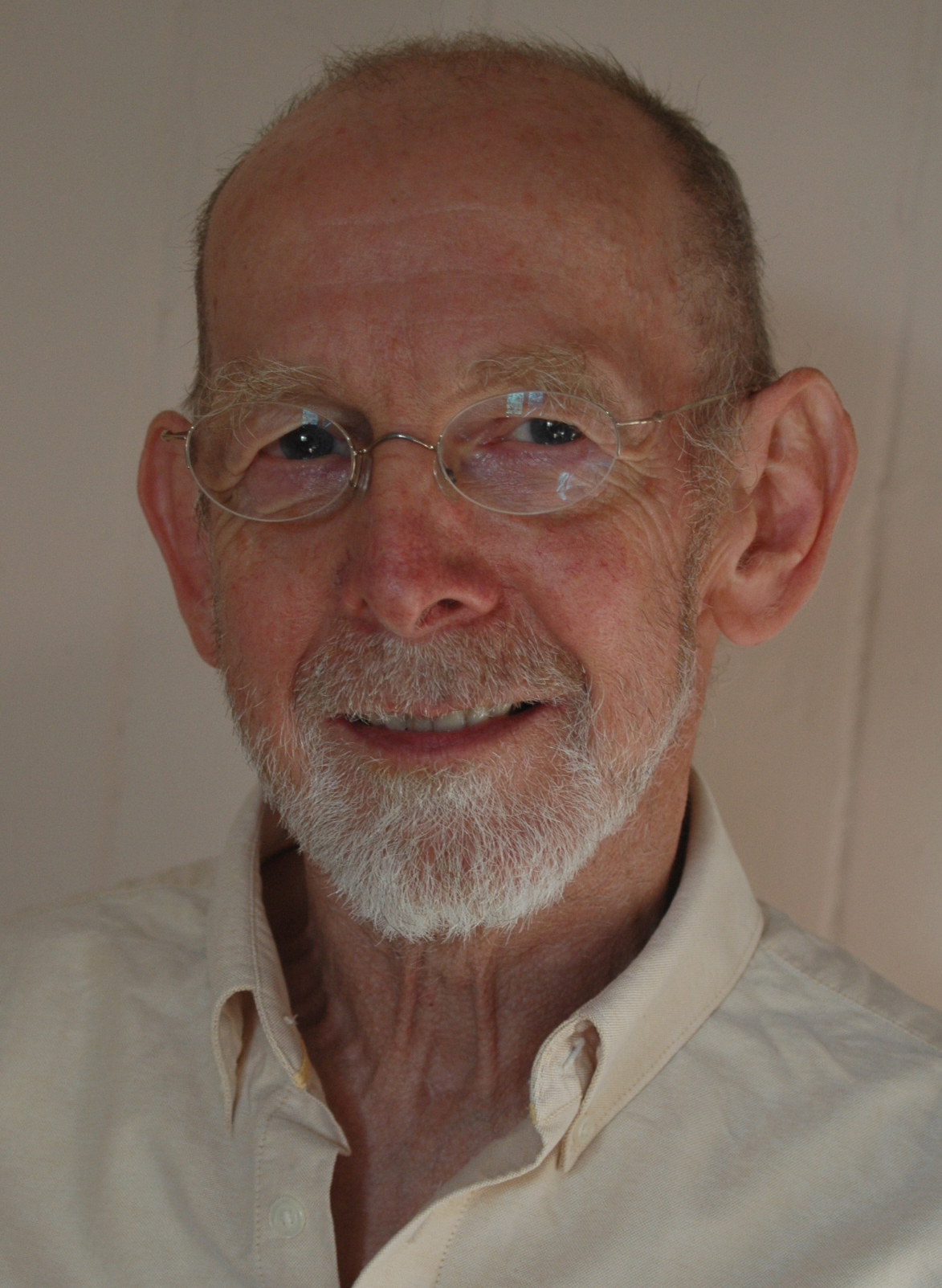
{"id":618,"date":"2015-02-09T12:24:07","date_gmt":"2015-02-09T12:24:07","guid":{"rendered":"http:\/\/blogs.sussex.ac.uk\/sussexenergygroup\/?p=618"},"modified":"2015-06-09T10:50:11","modified_gmt":"2015-06-09T10:50:11","slug":"shadows-over-cop21","status":"publish","type":"post","link":"https:\/\/blogs.sussex.ac.uk\/sussexenergygroup\/2015\/02\/09\/shadows-over-cop21\/","title":{"rendered":"Shadows over COP21"},"content":{"rendered":"<p>While the IPCC\u2019s 5th Assessment Report demonstrates an increased confidence among the world\u2019s climate scientists of the causal relationship between anthropogenic (man made) greenhouse gas emissions and a dangerously warming planet, paradoxically, it will not necessarily be the science that drives the negotiation processes at the 21st Conference of the Parties to the UN Framework Convention on Climate Change to be held in Paris, later this year.<\/p>\n<p>Much of the burden of necessary economic and societal change to meet the IPCC\u2019s warming target of no more than 2 degrees celsius average global temperature rise above pre-industrial levels, will fall on the energy sectors of the world\u2019s industrialised and industrialising economies. But country negotiators, charged with protecting their national economic interests as well as acting responsibly in the face of the climate threat, have complex trade-offs to consider. Not the least of these is the notorious prisoner\u2019s dilemma paradox, which requires that no single negotiating party (and over 190 countries will take part in the Paris negotiations), can play for the most advantageous outcome from its individual perspective without imperilling the collective, in this case the planetary outcome.<\/p>\n<p>But this is only the beginning of the complexities inherent to the negotiation process. With respect to energy systems, each country will seek to resolve a difficult balancing act between achieving energy security, (so that the lights don\u2019t go out) affordable energy (so that the economic burden of transition to a low carbon system doesn\u2019t cripple the rest of the economy) and a rate of system change (decarbonisation) that meaningfully addresses climatic imperatives.<\/p>\n<p>To date, countries have negotiated to achieve a reasonable balance within the \u201cenergy trilemma\u201d by simply delaying making binding commitments to deep decarbonisation of their energy systems. But further delay is no longer an option if the 2 degrees target is to be taken seriously. On this matter, the 5th Assessment Report is very clear.<\/p>\n<p>The word is out that country negotiators expect that a binding agreement will emerge from the Paris Conference. But what kind of an agreement will it be? A second, and perhaps more ominous trilemma overshadows the negotiation process. This is the trade off between pragmatism (what rate of system change is actually feasible given the lock-in and path dependence of complex energy systems embedded within complex industrial economies) time sensitivity (to what extent can an affordable rate of change be ordered and delivered so that in a time sense, the process of change is front loaded &#8211; more delay pushes up costs and infringes on feasibility) and finally the rigidity of the target. How robust is the commitment to 2 degrees?<\/p>\n<p>Because it is the accumulation of greenhouse gas emissions that drive global warming and thereby, climate change, the global warming target determines the available carbon budget that can be spent before the greenhouse gas ceiling is reached. At current emission rates and a 2 degrees warming target, we blow the budget some time around 2025.<\/p>\n<p>In climate negotiation, complexity is piled upon complexity, and with each complexity, unknowns are piled upon unknowns so that calling the outcome of the negotiating process is a fools errand. What will give? Whose interests will most dominate the outcome? Past performance suggests that those with the least standing, those whose voice is the most quiet (or the most effectively silenced) will lose out. But there again, complexity may have the upper hand. With so many complex systems teetering on the brink, one thing can be assured, the past will be a very poor guide to what the future holds in store.<\/p>\n<h4>This blog is inspired by a recent Grantham Institute seminar on the IPCC 2014 Synthesis Report held at Imperial College London under Chatham House Rules.<\/h4>\n<h3>Nick Gallie is a doctoral researcher at SPRU. His research is focused on climate change discourse. Nick holds Masters Degrees in Political Economy, Human Rights and Science and Technology Policy Studies<\/h3>\n<h3><a href=\"http:\/\/www.sussex.ac.uk\/profiles\/237562\"><img loading=\"lazy\" class=\"alignnone size-medium wp-image-619\" src=\"https:\/\/i1.wp.com\/blogs.sussex.ac.uk\/sussexenergygroup\/files\/2015\/02\/nick-pic3.jpg?resize=219%2C300\" alt=\"nick pic3\" width=\"219\" height=\"300\" srcset=\"https:\/\/i1.wp.com\/blogs.sussex.ac.uk\/sussexenergygroup\/files\/2015\/02\/nick-pic3.jpg?resize=219%2C300&amp;ssl=1 219w, https:\/\/i1.wp.com\/blogs.sussex.ac.uk\/sussexenergygroup\/files\/2015\/02\/nick-pic3.jpg?resize=749%2C1024&amp;ssl=1 749w, https:\/\/i1.wp.com\/blogs.sussex.ac.uk\/sussexenergygroup\/files\/2015\/02\/nick-pic3.jpg?resize=100%2C136&amp;ssl=1 100w, https:\/\/i1.wp.com\/blogs.sussex.ac.uk\/sussexenergygroup\/files\/2015\/02\/nick-pic3.jpg?resize=150%2C204&amp;ssl=1 150w, https:\/\/i1.wp.com\/blogs.sussex.ac.uk\/sussexenergygroup\/files\/2015\/02\/nick-pic3.jpg?resize=200%2C273&amp;ssl=1 200w, https:\/\/i1.wp.com\/blogs.sussex.ac.uk\/sussexenergygroup\/files\/2015\/02\/nick-pic3.jpg?resize=300%2C409&amp;ssl=1 300w, https:\/\/i1.wp.com\/blogs.sussex.ac.uk\/sussexenergygroup\/files\/2015\/02\/nick-pic3.jpg?resize=450%2C614&amp;ssl=1 450w, https:\/\/i1.wp.com\/blogs.sussex.ac.uk\/sussexenergygroup\/files\/2015\/02\/nick-pic3.jpg?resize=600%2C819&amp;ssl=1 600w, https:\/\/i1.wp.com\/blogs.sussex.ac.uk\/sussexenergygroup\/files\/2015\/02\/nick-pic3.jpg?resize=900%2C1229&amp;ssl=1 900w, https:\/\/i1.wp.com\/blogs.sussex.ac.uk\/sussexenergygroup\/files\/2015\/02\/nick-pic3.jpg?w=1173&amp;ssl=1 1173w, https:\/\/i1.wp.com\/blogs.sussex.ac.uk\/sussexenergygroup\/files\/2015\/02\/nick-pic3.jpg?w=1100 1100w\" sizes=\"(max-width: 219px) 100vw, 219px\" data-recalc-dims=\"1\" \/><\/a><\/h3>\nFollow Sussex Energy Group      <span class=\"synved-social-container synved-social-container-follow\"><a class=\"synved-social-button synved-social-button-follow synved-social-size-16 synved-social-resolution-single synved-social-provider-facebook nolightbox\" data-provider=\"facebook\" target=\"_blank\" rel=\"nofollow\" title=\"Follow us on Facebook\" href=\"https:\/\/www.facebook.com\/pages\/Sussex-Energy-Group\/448345351971248?ref=hl\" style=\"font-size: 0px; width:16px;height:16px;margin:0;margin-bottom:5px;margin-right:5px;\"><img alt=\"Facebook\" title=\"Follow us on Facebook\" class=\"synved-share-image synved-social-image synved-social-image-follow\" width=\"16\" height=\"16\" style=\"display: inline; width:16px;height:16px; margin: 0; padding: 0; border: none; box-shadow: none;\" src=\"https:\/\/i0.wp.com\/blogs.sussex.ac.uk\/sussexenergygroup\/wp-content\/plugins\/social-media-feather\/synved-social\/image\/social\/regular\/32x32\/facebook.png?resize=16%2C16&#038;ssl=1\" data-recalc-dims=\"1\" \/><\/a><a class=\"synved-social-button synved-social-button-follow synved-social-size-16 synved-social-resolution-single synved-social-provider-twitter nolightbox\" data-provider=\"twitter\" target=\"_blank\" rel=\"nofollow\" title=\"Follow us on Twitter\" href=\"https:\/\/twitter.com\/SussexNRGGroup\" style=\"font-size: 0px; width:16px;height:16px;margin:0;margin-bottom:5px;margin-right:5px;\"><img alt=\"twitter\" title=\"Follow us on Twitter\" class=\"synved-share-image synved-social-image synved-social-image-follow\" width=\"16\" height=\"16\" style=\"display: inline; width:16px;height:16px; margin: 0; padding: 0; border: none; box-shadow: none;\" src=\"https:\/\/i2.wp.com\/blogs.sussex.ac.uk\/sussexenergygroup\/wp-content\/plugins\/social-media-feather\/synved-social\/image\/social\/regular\/32x32\/twitter.png?resize=16%2C16&#038;ssl=1\" data-recalc-dims=\"1\" \/><\/a><a class=\"synved-social-button synved-social-button-follow synved-social-size-16 synved-social-resolution-single synved-social-provider-linkedin nolightbox\" data-provider=\"linkedin\" target=\"_blank\" rel=\"nofollow\" title=\"Find us on Linkedin\" href=\"https:\/\/www.linkedin.com\/company\/sussex-energy-group\" style=\"font-size: 0px; width:16px;height:16px;margin:0;margin-bottom:5px;\"><img alt=\"linkedin\" title=\"Find us on Linkedin\" class=\"synved-share-image synved-social-image synved-social-image-follow\" width=\"16\" height=\"16\" style=\"display: inline; width:16px;height:16px; margin: 0; padding: 0; border: none; box-shadow: none;\" src=\"https:\/\/i2.wp.com\/blogs.sussex.ac.uk\/sussexenergygroup\/wp-content\/plugins\/social-media-feather\/synved-social\/image\/social\/regular\/32x32\/linkedin.png?resize=16%2C16&#038;ssl=1\" data-recalc-dims=\"1\" \/><\/a><\/span>","protected":false},"excerpt":{"rendered":"<p>While the IPCC\u2019s 5th Assessment Report demonstrates an increased confidence among the world\u2019s climate scientists of the causal relationship between anthropogenic (man made) greenhouse gas emissions and a dangerously warming planet, paradoxically, it will not necessarily be the science that<span class=\"ellipsis\">&hellip;<\/span><\/p>\n<div class=\"read-more\"><a href=\"https:\/\/blogs.sussex.ac.uk\/sussexenergygroup\/2015\/02\/09\/shadows-over-cop21\/\">Read more &#8250;<\/a><\/div>\n<p><!-- end of .read-more --><\/p>\n","protected":false},"author":112,"featured_media":0,"comment_status":"open","ping_status":"open","sticky":false,"template":"","format":"standard","meta":{"spay_email":"","jetpack_publicize_message":"","jetpack_is_tweetstorm":false},"categories":[96027],"tags":[88832,89094,88463,89354,89460,63012,28423,89626,89218],"yoast_head":"<!-- This site is optimized with the Yoast SEO plugin v16.6.1 - https:\/\/yoast.com\/wordpress\/plugins\/seo\/ -->\n<meta name=\"robots\" content=\"index, follow, max-snippet:-1, max-image-preview:large, max-video-preview:-1\" \/>\n<link rel=\"canonical\" href=\"https:\/\/blogs.sussex.ac.uk\/sussexenergygroup\/2015\/02\/09\/shadows-over-cop21\/\" \/>\n<meta property=\"og:locale\" content=\"en_GB\" \/>\n<meta property=\"og:type\" content=\"article\" \/>\n<meta property=\"og:title\" content=\"Shadows over COP21 - Sussex Energy Group at SPRU\" \/>\n<meta property=\"og:description\" content=\"While the IPCC\u2019s 5th Assessment Report demonstrates an increased confidence among the world\u2019s climate scientists of the causal relationship between anthropogenic (man made) greenhouse gas emissions and a dangerously warming planet, paradoxically, it will not necessarily be the science that&hellip;Read more &#8250;\" \/>\n<meta property=\"og:url\" content=\"https:\/\/blogs.sussex.ac.uk\/sussexenergygroup\/2015\/02\/09\/shadows-over-cop21\/\" \/>\n<meta property=\"og:site_name\" content=\"Sussex Energy Group at SPRU\" \/>\n<meta property=\"article:published_time\" content=\"2015-02-09T12:24:07+00:00\" \/>\n<meta property=\"article:modified_time\" content=\"2015-06-09T10:50:11+00:00\" \/>\n<meta property=\"og:image\" content=\"http:\/\/blogs.sussex.ac.uk\/sussexenergygroup\/files\/2015\/02\/nick-pic3-219x300.jpg\" \/>\n<meta name=\"twitter:card\" content=\"summary\" \/>\n<meta name=\"twitter:label1\" content=\"Estimated reading time\" \/>\n\t<meta name=\"twitter:data1\" content=\"3 minutes\" \/>\n<script type=\"application\/ld+json\" class=\"yoast-schema-graph\">{\"@context\":\"https:\/\/schema.org\",\"@graph\":[{\"@type\":\"Organization\",\"@id\":\"http:\/\/blogs.sussex.ac.uk\/sussexenergygroup\/#organization\",\"name\":\"Sussex Energy Group at SPRU\",\"url\":\"http:\/\/blogs.sussex.ac.uk\/sussexenergygroup\/\",\"sameAs\":[],\"logo\":{\"@type\":\"ImageObject\",\"@id\":\"http:\/\/blogs.sussex.ac.uk\/sussexenergygroup\/#logo\",\"inLanguage\":\"en-GB\",\"url\":\"https:\/\/i0.wp.com\/blogs.sussex.ac.uk\/sussexenergygroup\/files\/2015\/06\/Energy_landscape_rgb-from-Charlotte-360width.jpg?fit=2232%2C360&ssl=1\",\"contentUrl\":\"https:\/\/i0.wp.com\/blogs.sussex.ac.uk\/sussexenergygroup\/files\/2015\/06\/Energy_landscape_rgb-from-Charlotte-360width.jpg?fit=2232%2C360&ssl=1\",\"width\":2232,\"height\":360,\"caption\":\"Sussex Energy Group at SPRU\"},\"image\":{\"@id\":\"http:\/\/blogs.sussex.ac.uk\/sussexenergygroup\/#logo\"}},{\"@type\":\"WebSite\",\"@id\":\"http:\/\/blogs.sussex.ac.uk\/sussexenergygroup\/#website\",\"url\":\"http:\/\/blogs.sussex.ac.uk\/sussexenergygroup\/\",\"name\":\"Sussex Energy Group at SPRU\",\"description\":\"Researching ways to achieve the transition to sustainable, low carbon energy systems\",\"publisher\":{\"@id\":\"http:\/\/blogs.sussex.ac.uk\/sussexenergygroup\/#organization\"},\"potentialAction\":[{\"@type\":\"SearchAction\",\"target\":{\"@type\":\"EntryPoint\",\"urlTemplate\":\"http:\/\/blogs.sussex.ac.uk\/sussexenergygroup\/?s={search_term_string}\"},\"query-input\":\"required name=search_term_string\"}],\"inLanguage\":\"en-GB\"},{\"@type\":\"ImageObject\",\"@id\":\"https:\/\/blogs.sussex.ac.uk\/sussexenergygroup\/2015\/02\/09\/shadows-over-cop21\/#primaryimage\",\"inLanguage\":\"en-GB\",\"url\":\"http:\/\/blogs.sussex.ac.uk\/sussexenergygroup\/files\/2015\/02\/nick-pic3-219x300.jpg\",\"contentUrl\":\"http:\/\/blogs.sussex.ac.uk\/sussexenergygroup\/files\/2015\/02\/nick-pic3-219x300.jpg\"},{\"@type\":\"WebPage\",\"@id\":\"https:\/\/blogs.sussex.ac.uk\/sussexenergygroup\/2015\/02\/09\/shadows-over-cop21\/#webpage\",\"url\":\"https:\/\/blogs.sussex.ac.uk\/sussexenergygroup\/2015\/02\/09\/shadows-over-cop21\/\",\"name\":\"Shadows over COP21 - Sussex Energy Group at SPRU\",\"isPartOf\":{\"@id\":\"http:\/\/blogs.sussex.ac.uk\/sussexenergygroup\/#website\"},\"primaryImageOfPage\":{\"@id\":\"https:\/\/blogs.sussex.ac.uk\/sussexenergygroup\/2015\/02\/09\/shadows-over-cop21\/#primaryimage\"},\"datePublished\":\"2015-02-09T12:24:07+00:00\",\"dateModified\":\"2015-06-09T10:50:11+00:00\",\"breadcrumb\":{\"@id\":\"https:\/\/blogs.sussex.ac.uk\/sussexenergygroup\/2015\/02\/09\/shadows-over-cop21\/#breadcrumb\"},\"inLanguage\":\"en-GB\",\"potentialAction\":[{\"@type\":\"ReadAction\",\"target\":[\"https:\/\/blogs.sussex.ac.uk\/sussexenergygroup\/2015\/02\/09\/shadows-over-cop21\/\"]}]},{\"@type\":\"BreadcrumbList\",\"@id\":\"https:\/\/blogs.sussex.ac.uk\/sussexenergygroup\/2015\/02\/09\/shadows-over-cop21\/#breadcrumb\",\"itemListElement\":[{\"@type\":\"ListItem\",\"position\":1,\"name\":\"Home\",\"item\":\"http:\/\/blogs.sussex.ac.uk\/sussexenergygroup\/\"},{\"@type\":\"ListItem\",\"position\":2,\"name\":\"Shadows over COP21\"}]},{\"@type\":\"Article\",\"@id\":\"https:\/\/blogs.sussex.ac.uk\/sussexenergygroup\/2015\/02\/09\/shadows-over-cop21\/#article\",\"isPartOf\":{\"@id\":\"https:\/\/blogs.sussex.ac.uk\/sussexenergygroup\/2015\/02\/09\/shadows-over-cop21\/#webpage\"},\"author\":{\"@id\":\"http:\/\/blogs.sussex.ac.uk\/sussexenergygroup\/#\/schema\/person\/ddd31204bd30cc5f86fec46051af0106\"},\"headline\":\"Shadows over COP21\",\"datePublished\":\"2015-02-09T12:24:07+00:00\",\"dateModified\":\"2015-06-09T10:50:11+00:00\",\"mainEntityOfPage\":{\"@id\":\"https:\/\/blogs.sussex.ac.uk\/sussexenergygroup\/2015\/02\/09\/shadows-over-cop21\/#webpage\"},\"wordCount\":652,\"commentCount\":0,\"publisher\":{\"@id\":\"http:\/\/blogs.sussex.ac.uk\/sussexenergygroup\/#organization\"},\"image\":{\"@id\":\"https:\/\/blogs.sussex.ac.uk\/sussexenergygroup\/2015\/02\/09\/shadows-over-cop21\/#primaryimage\"},\"thumbnailUrl\":\"http:\/\/blogs.sussex.ac.uk\/sussexenergygroup\/files\/2015\/02\/nick-pic3-219x300.jpg\",\"keywords\":[\"Conference of the Parties\",\"Convention on Climate Change\",\"COP\",\"energy trilemma\",\"Grantham Institute\",\"Imperial college\",\"IPCC\",\"IPCC 2014 Synthesis Report\",\"Paris\"],\"articleSection\":[\"All Posts\"],\"inLanguage\":\"en-GB\",\"potentialAction\":[{\"@type\":\"CommentAction\",\"name\":\"Comment\",\"target\":[\"https:\/\/blogs.sussex.ac.uk\/sussexenergygroup\/2015\/02\/09\/shadows-over-cop21\/#respond\"]}]},{\"@type\":\"Person\",\"@id\":\"http:\/\/blogs.sussex.ac.uk\/sussexenergygroup\/#\/schema\/person\/ddd31204bd30cc5f86fec46051af0106\",\"name\":\"Nancy Carter\",\"url\":\"https:\/\/blogs.sussex.ac.uk\/sussexenergygroup\/author\/nc288\/\"}]}<\/script>\n<!-- \/ Yoast SEO plugin. -->","jetpack_featured_media_url":"","jetpack_publicize_connections":[],"jetpack_sharing_enabled":true,"jetpack_shortlink":"https:\/\/wp.me\/p5oaUf-9Y","jetpack-related-posts":[{"id":1849,"url":"https:\/\/blogs.sussex.ac.uk\/sussexenergygroup\/2018\/10\/19\/anniversary-climate-change-act\/","url_meta":{"origin":618,"position":0},"title":"Reaching the tipping point: 1.5 degrees and the 10th Anniversary of the Climate Change Act","date":"19 October 2018","format":false,"excerpt":"Last week showed that the full impacts of climate change are approaching us faster than thought before. The Intergovernmental Panel on Climate Change (IPCC) published its Special Report on Global Warming of 1.5 degrees sending a message that we need to act now, not tomorrow. The previous plan to curtail\u2026","rel":"","context":"In &quot;CIED&quot;","img":{"alt_text":"","src":"https:\/\/i1.wp.com\/blogs.sussex.ac.uk\/sussexenergygroup\/files\/2015\/06\/wind.jpg?fit=1200%2C797&ssl=1&resize=350%2C200","width":350,"height":200},"classes":[]},{"id":966,"url":"https:\/\/blogs.sussex.ac.uk\/sussexenergygroup\/2015\/08\/04\/power-and-politics-the-elephant-in-the-room-in-sustainability-debates\/","url_meta":{"origin":618,"position":1},"title":"Power and politics: the elephant in the room in sustainability debates","date":"4 August 2015","format":false,"excerpt":"This year will see the culmination of two major global agreements for climate change and development. From 30 November to 11 December, worldwide negotiators will gather in Paris at the 21st Conference of the Parties of the United Nations Framework Convention on Climate Change to hammer out a deal that\u2026","rel":"","context":"In &quot;All Posts&quot;","img":{"alt_text":"","src":"","width":0,"height":0},"classes":[]},{"id":926,"url":"https:\/\/blogs.sussex.ac.uk\/sussexenergygroup\/2015\/07\/15\/our-common-future-under-climate-change\/","url_meta":{"origin":618,"position":2},"title":"Paris warms up for climate event of the decade - Our Common Future under Climate Change","date":"15 July 2015","format":false,"excerpt":"Last week, more than 2000 climate change researchers gathered in Paris for the \u2018Our Common Future under Climate Change\u2019 conference, an enormous and prestigious event as part of the preparations for the COP21 climate negotiations in Paris later this year. The talks and conversations were hugely diverse, but a key\u2026","rel":"","context":"In &quot;All Posts&quot;","img":{"alt_text":"People on stage at the Our Common Future Under Climate Change conference","src":"https:\/\/i0.wp.com\/blogs.sussex.ac.uk\/sussexenergygroup\/files\/2015\/07\/Our-common-future-under-climate-change-Emily-cox-blog-post-e1436980851247.jpg?fit=550%2C367&ssl=1&resize=350%2C200","width":350,"height":200},"classes":[]},{"id":2616,"url":"https:\/\/blogs.sussex.ac.uk\/sussexenergygroup\/2023\/01\/11\/the-dynamics-of-global-public-research-funding-on-climate-change-energy-transport-and-industrial-decarbonisation\/","url_meta":{"origin":618,"position":3},"title":"The Dynamics of Global Public Research Funding on Climate Change, Energy, Transport, and Industrial Decarbonisation","date":"11 January 2023","format":false,"excerpt":"By\u00a0Benjamin K. Sovacool,\u00a0Chux Daniels\u00a0and\u00a0Abdulrafiu Abbas This blog was first published on 15 December 2022 on the \u00a0Transformative Innovation Policy Consortium (TIPC) blog. The original can be found here. Thirty years of climate research funding have overlooked the potential of experimental transformative technologies. A new study by academics from the University\u2026","rel":"","context":"In &quot;All Posts&quot;","img":{"alt_text":"","src":"https:\/\/i2.wp.com\/blogs.sussex.ac.uk\/sussexenergygroup\/files\/2023\/01\/Screenshot-2023-01-11-at-14.11.58.png?resize=350%2C200&ssl=1","width":350,"height":200},"classes":[]},{"id":772,"url":"https:\/\/blogs.sussex.ac.uk\/sussexenergygroup\/2015\/06\/09\/prof-jim-watsons-ukerc-blog-would-a-global-apollo-programme-deliver-the-low-carbon-innovation-we-need\/","url_meta":{"origin":618,"position":4},"title":"Prof Jim Watson's UKERC blog: Would a Global Apollo Programme deliver the low carbon innovation we need?","date":"9 June 2015","format":false,"excerpt":"Introduction to Jim Watson\u2019s blog by Dr Ralitsa Hiteva The Global Apollo Programme to Combat Climate Change report \u00a0which came out last week warns: \u201cWe are in danger\u201d; \u201cThe perils of our current course\u201d; \u201cThe dangerous shortfall in RD&D\u201d. The report argues that the challenge we face as a society\u2026","rel":"","context":"In &quot;Fossil fuels&quot;","img":{"alt_text":"","src":"","width":0,"height":0},"classes":[]},{"id":1016,"url":"https:\/\/blogs.sussex.ac.uk\/sussexenergygroup\/2015\/09\/14\/the-language-of-climate-science\/","url_meta":{"origin":618,"position":5},"title":"A slip of the tongue - the language of climate science","date":"14 September 2015","format":false,"excerpt":"A blog post by Nick Gallie on the language of climate science following the Tyndall Assembly 2015 Hopes for a legally binding \u201chard\u201d international agreement amongst nations attending the 21st COP in Paris in December are fading. A more likely outcome is a \u201cstrong symbolic agreement\u201d with a built in\u2026","rel":"","context":"In &quot;All Posts&quot;","img":{"alt_text":"","src":"","width":0,"height":0},"classes":[]}],"_links":{"self":[{"href":"https:\/\/blogs.sussex.ac.uk\/sussexenergygroup\/wp-json\/wp\/v2\/posts\/618"}],"collection":[{"href":"https:\/\/blogs.sussex.ac.uk\/sussexenergygroup\/wp-json\/wp\/v2\/posts"}],"about":[{"href":"https:\/\/blogs.sussex.ac.uk\/sussexenergygroup\/wp-json\/wp\/v2\/types\/post"}],"author":[{"embeddable":true,"href":"https:\/\/blogs.sussex.ac.uk\/sussexenergygroup\/wp-json\/wp\/v2\/users\/112"}],"replies":[{"embeddable":true,"href":"https:\/\/blogs.sussex.ac.uk\/sussexenergygroup\/wp-json\/wp\/v2\/comments?post=618"}],"version-history":[{"count":1,"href":"https:\/\/blogs.sussex.ac.uk\/sussexenergygroup\/wp-json\/wp\/v2\/posts\/618\/revisions"}],"predecessor-version":[{"id":620,"href":"https:\/\/blogs.sussex.ac.uk\/sussexenergygroup\/wp-json\/wp\/v2\/posts\/618\/revisions\/620"}],"wp:attachment":[{"href":"https:\/\/blogs.sussex.ac.uk\/sussexenergygroup\/wp-json\/wp\/v2\/media?parent=618"}],"wp:term":[{"taxonomy":"category","embeddable":true,"href":"https:\/\/blogs.sussex.ac.uk\/sussexenergygroup\/wp-json\/wp\/v2\/categories?post=618"},{"taxonomy":"post_tag","embeddable":true,"href":"https:\/\/blogs.sussex.ac.uk\/sussexenergygroup\/wp-json\/wp\/v2\/tags?post=618"}],"curies":[{"name":"wp","href":"https:\/\/api.w.org\/{rel}","templated":true}]}}