Liberia, Ebola and the Pitfalls of State-building

by Priska Dibiasi

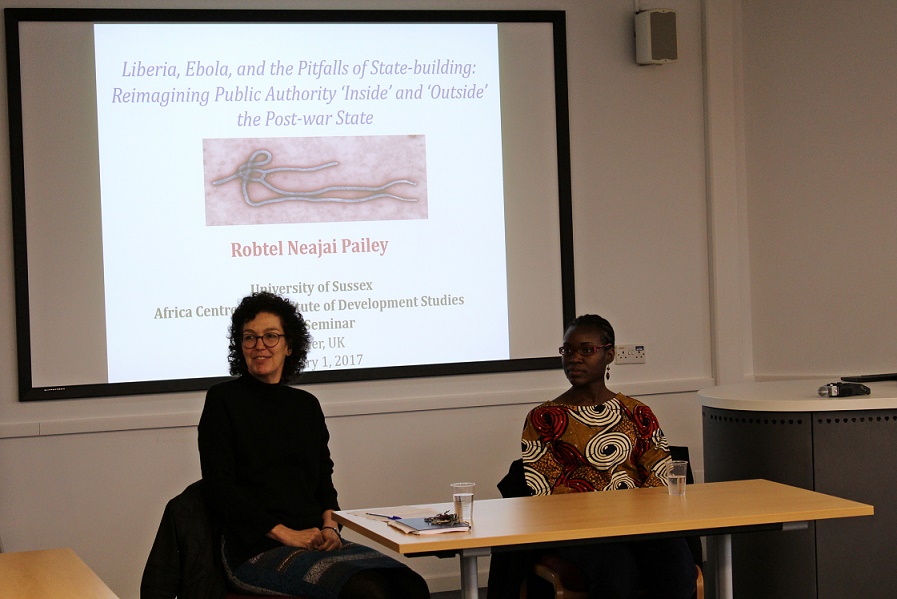
The Sussex Africa Centre and the Institute of Development Studies recently invited Dr Robtel Neajai Pailey from the University of Oxford to discuss her latest research at a joint event. She presented her findings at the event entitled “Liberia, Ebola, and the Pitfalls of State-building: Reimagining Public Authority ‘Inside’ and ‘Outside the Post-war State”.
Read more ›

Tagged with: , ,
Posted in Global Health, International Relations

Anthropology Between Europe and the Pacific: Values and Prospects for a Relationship Beyond Relativism

by Laura Bennett

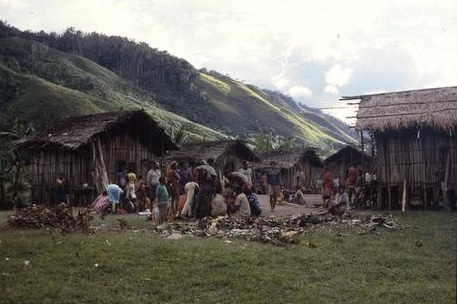
As part of the School of Global Studies Anthropology seminar series, I recently went along to hear Joel Robbins, a Social Anthropology professor at Cambridge, discuss his research entitled ‘Anthropology between Europe and the Pacific: Values and Prospects for a Relationship Beyond Relativism’. The general focus of the seminar was values, how they are used and what meaning they have to different people from different places. This discussion was encapsulated in the larger idea of the role of anthropology in communications and understandings of sameness and differences between places.

Read more ›

Tagged with: , ,
Posted in Ethnography, Rights

Black Holes and Climate Revelations

by Pip Roddis

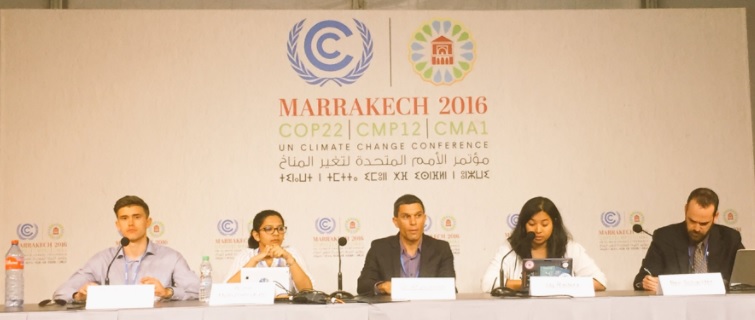
Week 1 of COP22 has come to an end. Listening to music, musing over the experience of being a youth delegate to a UNFCCC conference, familiar lyrics took on a new meaning:

“Our hopes and expectations, black holes and revelations…”

Read more ›

Tagged with: , ,
Posted in Alumni, Climate Change, Policy

Global Eyecare Workshop Discusses The Future of Eyecare Provision

by Lora Cracknell

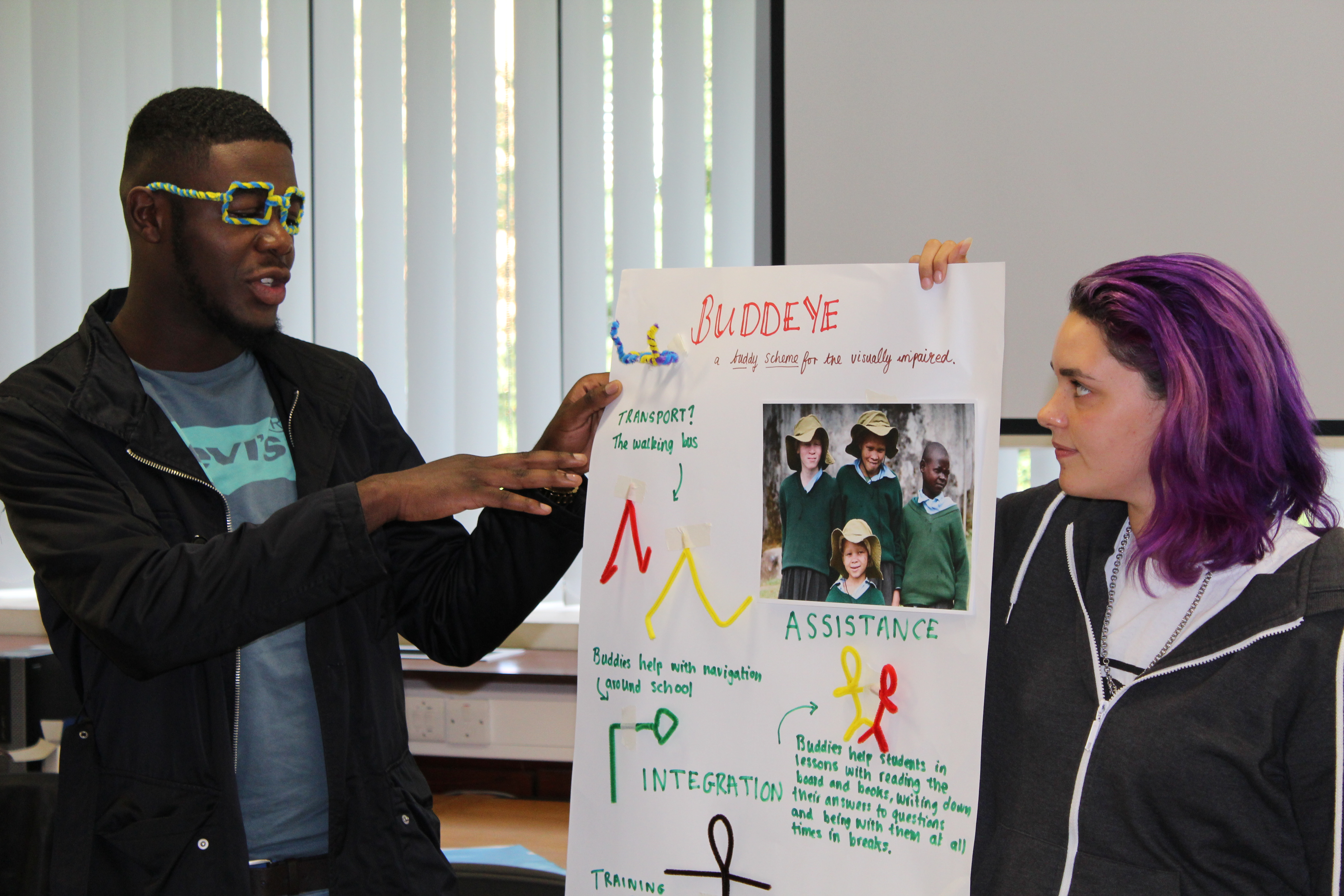
According to the World Health Organisation, 285 million people are estimated to be visually impaired worldwide; 39 million of these are fully blind. This past month, Sussex DevSoc, in collaboration with the School of Global Studies, hosted a vibrant and interactive workshop; Innovation in Global Eyecare.

The workshop gave insights into contemporary issues of health care provision, innovations under development, as well as assistance being delivered globally by NGOs and governments. The main driving force for the gathering was trying to answer the question “what more can be done, and how can we do it?”

Read more ›

Tagged with: ,
Posted in Global Health, Health

Britain is Right to Celebrate the Abolition of Slavery, But Must Acknowledge Excesses of Empire

by Alan Lester

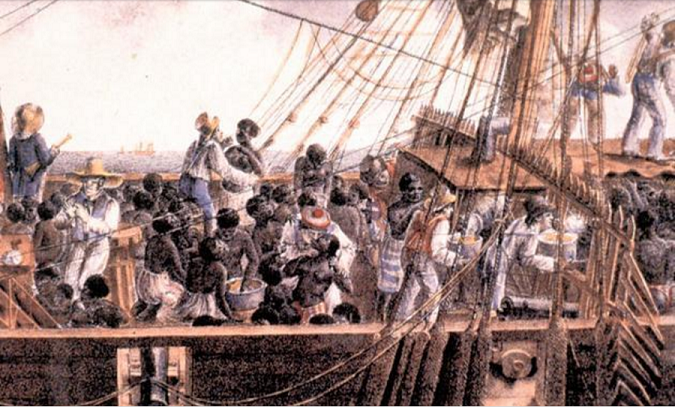
As the UK celebrates its role in the abolition of the slave trade in 1807, it’s important to recognise that Britain’s humanitarianism was ultimately cut from the same cloth as imperial expansion. Britain’s Anti-Slavery Day should remind us that – despite the country’s abolition of the slave trade in 1807 – the global trafficking and enslavement of people is still very much with us. When the country celebrated the bicentenary of its abolition of the slave trade in 2007 the government explicitly linked the celebration with reminders of the continuing problem of slavery and human trafficking.

Read more ›

Tagged with: ,
Posted in International Relations, Rights