

Catherine Mitchell famously argued in 2014 that the energy sector is very illustrative of the inequalities that characterize UK research institutions – minimal women presence in a space dominated by older and white males – with worrying effects on diversity of thinking and innovative thinking and practices during a period of important transformation, both within society and the energy sector. She called time for evening things up a bit by changing the governance process in place, and the provision of incentives that encourage new ways of doing things.
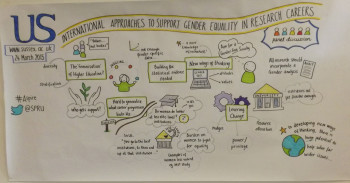
Gender equality in the workplace is about fixing the system, not fixing the women. SPRU recently hosted a workshop to look at best practices for achieving gender equality in research. The overwhelming message from the discussion was that gender training should become part and parcel of institutional culture.
The temptation to focus gender equality efforts on providing women with the “right types of skills” and increasing women’s numbers in the workplace is big, especially when the gender gap is wide. However, the approach imposes an undue burden on the individual woman’s responsibilities. Instead, responsibilities should be shared with the institution and society at large. Such were some of the ideas put forward at an interactive workshop on International Approaches to Support Gender Equality in Research Careers for postdoctoral research staff, early career academic faculty and final year PhDs, recently hosted at the University of Sussex. Read more ›
Follow Sussex Energy Group