
Visiting Senior Research Fellow Siddharth Sareen shares his experience of the intellectual, social, and even musical life of SPRU.
It’s been a happy, productive and busy old time with the Sussex Energy Group (SEG) during my semester as a Visiting Senior Research Fellow at the Science Policy Research Unit (SPRU). My five month stint began in August 2019, with enjoyable chats with colleagues who were around and relatively free before the semester got into full swing. Social outings for a film (The Current Wars – an apt choice!) at The Depot and jazz at The Walrus made evenings convivial. And the odd guided hike through the beautifully undulating South Downs to Lewes for pints at The Snowdrop and The Swan gave ample scope for conversation and merriment. The month closed with chairing sessions and giving talks at the Royal Geographical Society – Institute of British Geographers conference in London, which featured a strong focus on energy geographies.

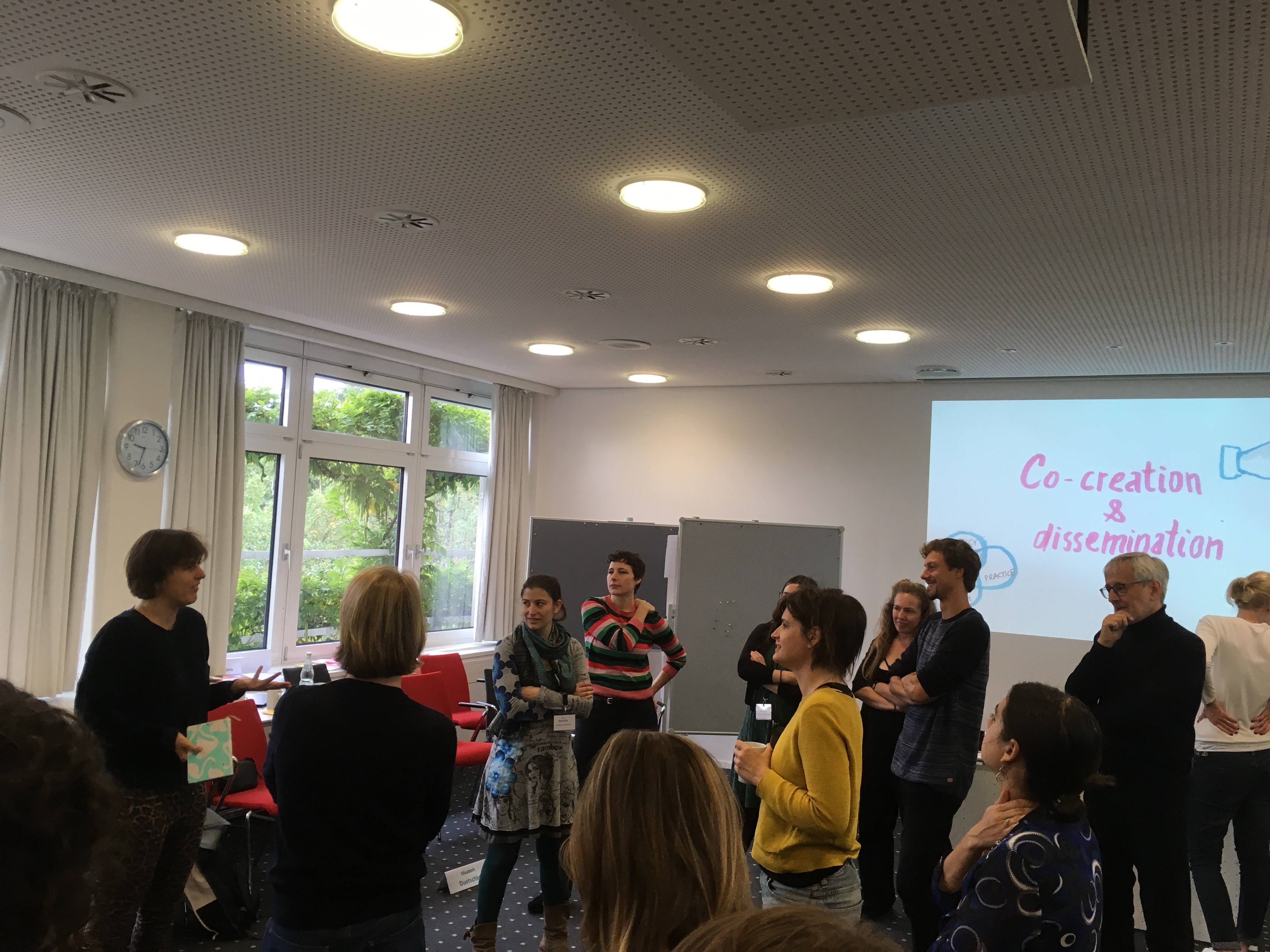
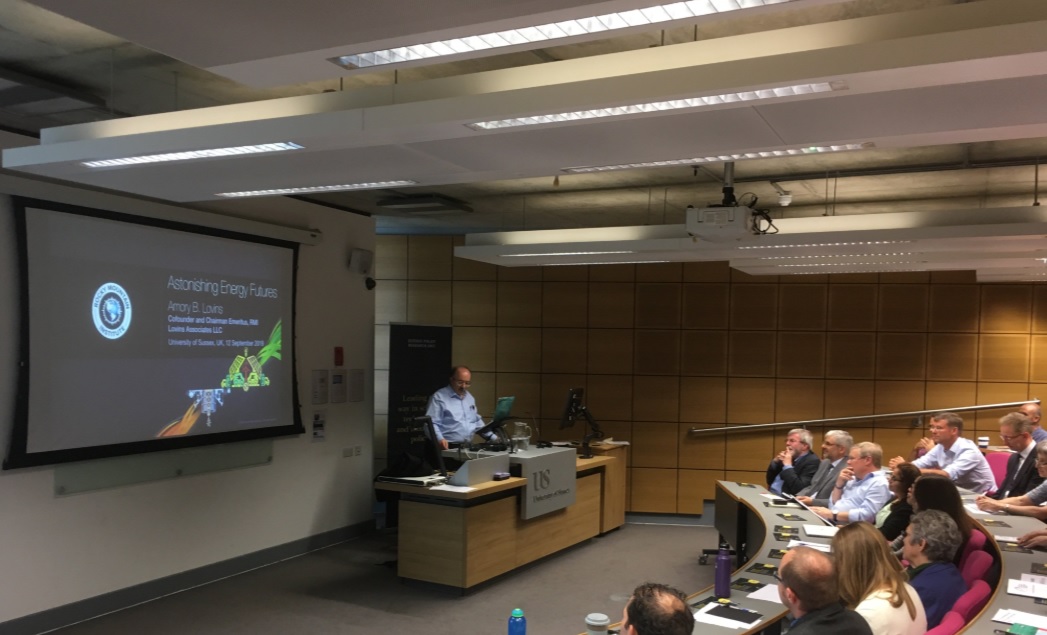
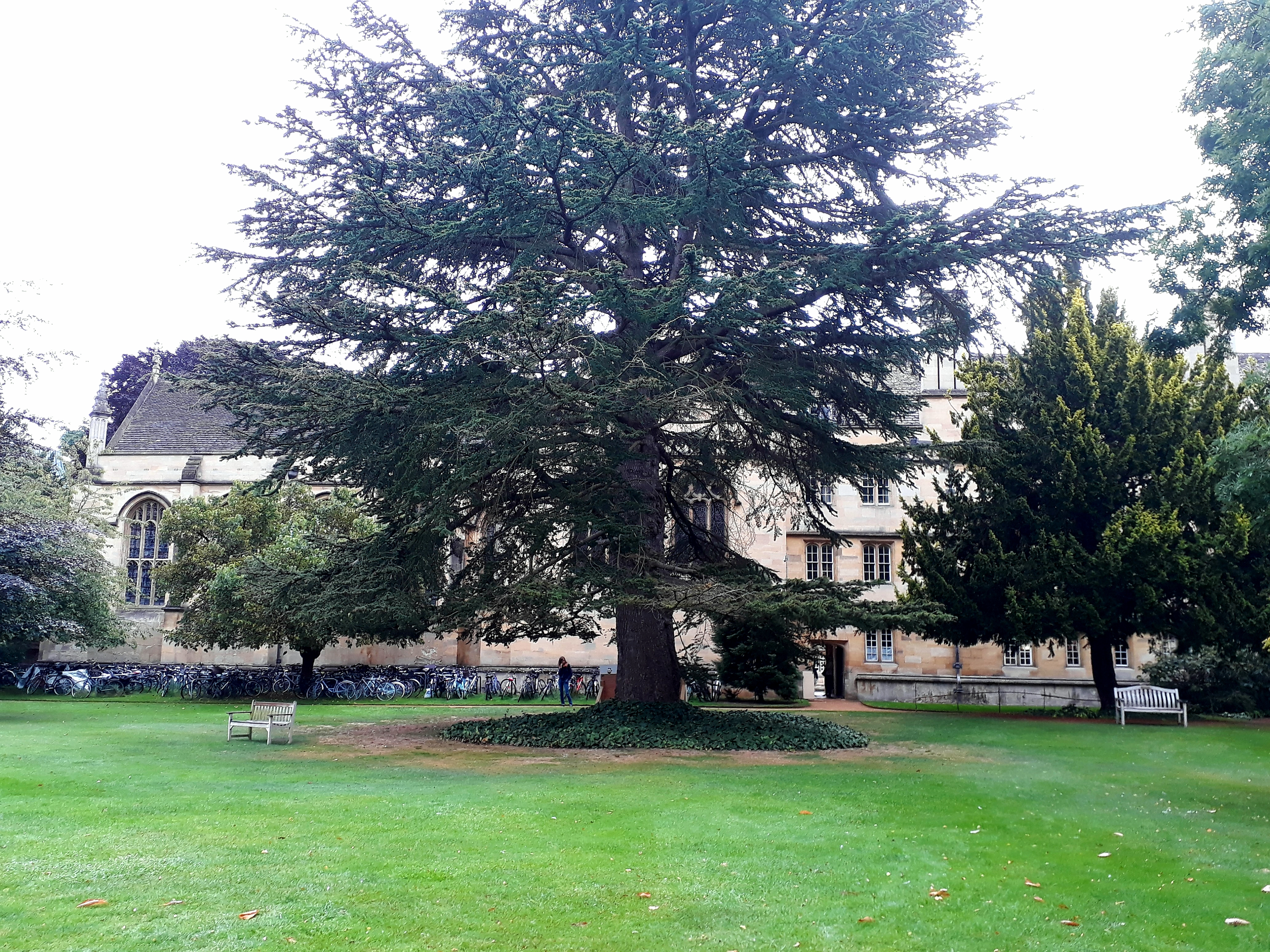
With September, leisurely walks through mulberry patches with scampering rabbits and sit-downs at the IDS or Falmer Bar became an occasional indulgence as work gathered pace. To make the most of my time at SPRU and in the UK, I had committed to several engagements spaced out during the semester. These included Adrian Smith’s post-automation workshop, which created ample scope for learning and inspiration as I drafted a manuscript on participatory environmental monitoring technologies, and a workshop on achieving net zero at University of Oxford, where I presented work that is taking shape as a SPRU working paper. I enjoyed plugging into various offerings on campus, such as a day on the pedagogic revolution spent reflecting on my teaching practice. Weekends afforded scope to pop over to the Florence Road Market and catch up with friends and relatives in various parts of the UK.
October was a blur, with a major grant application deadline, organising a biannual Beyond Oil conference and a Bergen Energy Lab seminar back at my home Centre for Climate and Energy Transformation at the University of Bergen, and giving seminars about my open access book (Enabling sustainable energy transitions: Practices of legitimation and accountable governance) at The University of Edinburgh and University College London right when it was published. This also features work by Benjamin Sovacool, my SEG host, who visited me in Bergen in May 2019 to contribute to a workshop on the theme. Another SEG colleague, Marie Claire Brisbois, also attended the workshop, and I’ve spent part of my time at SPRU editing a Global Transitions special issue that emerged from it.
Later that same month, I gave a plenary talk about my research on the governance of Portuguese solar energy uptake at an economics festival in Stavanger – the same city where I conducted fieldwork on the global climate strike as part of an organic collaboration with colleagues at SEG and elsewhere. This is the best sort of collaborative outcome from a research visit and one I had hoped for – I’m enjoying the co-writing exercise as the manuscript takes shape and learning from Mari Martiskainen’s able leadership. I also hopped trains across the Channel and back for a workshop in Amsterdam on the use of qualitative data in energy poverty research, making the most of being able to avoid aviation carbon emissions to participate in meaningful events in places that are difficult to reach by surface transport from my usual base in the fjords of western Norway. This workshop was part of the ENGAGER network on European energy poverty, where I co-chair a working group on indicators with another UK-based colleague, Harriet Thomson, and happily, Mari has also contributed to our upcoming working group report along the lines of her new FAIR project.
Entering the latter stages of my time at the University of Sussex, Benjamin, Andrew Hook and I got into the thick of things with a planned collaboration with Frank Geels for the Centre for Research into Energy Demand Solutions (CREDS). We travelled up to Manchester to spend an afternoon with Frank, puzzling over smart meter rollouts in Europe. I’m enjoying putting heads together for this work, which will continue into early 2020 when I am back in Bergen, and serve to naturally extend the productive engagement sparked during this semester. Whether it’s reflective chats with Andy Stirling and Matthew Lockwood, office “banter” with visiting fellows Beate Friedrich and Helene Ahlborg, or meeting up at London events with Abigail Martin, SEG serves as a confluence of interests that is both pleasant and generative. It is a delight to unpack these fertile overlaps at some length during my semester with the group, and I look forward to sharing insights with my colleagues in Bergen. Events like the SEG Away Day have, in many ways, been reminiscent of annual retreats in my home research group, and I am grateful for the privilege of being able to learn from both sets of experiences.
Before I leave SEG I will share some of my work at a Climate and Energy seminar, which is fantastic. It has been a packed and fun semester so far, and I carry fond memories of the university campus, the famous Laines and my regular haunts off Lewes Road, and of the friendly people who make academic life as socially rewarding as it is intellectually enriching!

Siddharth Sareen (Siddharth.Sareen@uib.no/S.Sareen@sussex.ac.uk)
Follow Sussex Energy Group