
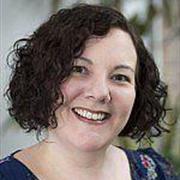
Applying for Senior Fellowship of the Higher Education Academy (SFHEA) can feel like a daunting task. One that often gets pushed aside amid the daily demands of teaching, research and other demands of academic life. Dr Lorraine Smith (Associate Professor in Biochemistry), a colleague who successfully navigated the SFHEA process, gives us valuable insights into what the journey looks like, and how it can shape both personal and professional development.
Why did you apply for Senior Fellowship?
There were two main reasons I applied for Senior Fellowship. First, it was about career progression. When I joined, I only had Fellowship, and my colleague and friend encouraged me to pursue further qualifications.
Second, I realised I’d been given poor advice in a previous role. I was in a management position and should have applied then. When I contacted Advance HE, they confirmed that management experience was key, so I had to quickly reflect on my experience in that role to build my application from that.
What did you find most helpful during the application process?
The most helpful thing was setting aside dedicated time to work on the application without distractions. I couldn’t have done it during term time because my teaching schedule is so busy. Being on the education and scholarship track, I used the summer period and set clear deadlines. That made all the difference.
Were there any challenges with making the application?
Yes, absolutely. I found the writing style quite challenging. It’s a mix of reflective practice and academic referencing, and you also have to align everything with the framework. It felt like spinning lots of plates at once.
I started by jotting down my thoughts and shaping them into case studies, then did the reading to support them, keeping in mind which framework elements I was evidencing. The reflection came as I thought about how my practice impacted students and staff.
My application didn’t pass the first time, but the feedback was clear and constructive. I reached out to former colleagues to fill in the gaps, and that made all the difference.
I think we’re so used to being critical of ourselves that shouting about our strengths can feel really uncomfortable. I’m better at it now, but I still find it easier to spot what I could improve than to say, “I’m really good at this.”
Senior Fellowship is all about impact. Where you’ve been influential, where you’ve led, and how others have taken on board what you’ve done. That can be a challenge to engage with, but it’s essential to the process.
How has the process of applying for Senior Fellowship contributed to your development as an educator?
The process really made me reflect on my own practice and read more deeply into pedagogy and curriculum design, which was incredibly helpful. During term time, there’s so much going on that reflection often gets pushed aside.
I also learned a lot about myself as a manager. I’m very much a doer, and I hadn’t really considered my strategies for managing staff or modules. The application gave me space to think about why those approaches work, why I’ve had good feedback, and how I adapt to individuals to work collaboratively and avoid conflict.
Has achieving Senior Fellowship had an impact on your colleagues or the teaching culture that you work in?
Yes, I think it has. I’m now always up for discussing pedagogy with colleagues, and we have a really collegiate way of working in our department. We collaborate well and socialise too, which I think the students notice. We regularly come together to talk about how to approach modules, and there’s a very open attitude to teaching.
It’s also given me more confidence in sharing good practice. One example is our recent curriculum redesign, where around ten faculty members collaborated on the design and delivery. I felt really proud of that. It was a genuinely collective effort to make the new module the best it could be.
Three top tips for undertaking the Senior Fellowship application
Lorraine offered three practical tips:
- Start gathering evidence early. Save emails, feedback, and reflections that demonstrate your impact.
- Keep a diary of good practice. Jot down projects or moments that might become case studies later.
- Set SMART targets. Be realistic about what you can achieve and break the application into manageable chunks.
And perhaps most importantly be kind to yourself. Progress may be slow, and life will inevitably get in the way, but this is part of your career development and deserves your attention.
For anyone considering Senior Fellowship, Lorraine’s experience offers both practical guidance and inspiration. It’s not just about ticking boxes. It’s about recognising the value of your work and sharing it with others. The University of Sussex supports SFHEA applications. For further information, please see our web guidance.
Applying for SFHEA is often perceived as overwhelming because it requires deep reflection on long-term academic practice, which many academics postpone due to heavy teaching and research workloads. However, insights from experienced colleagues like Dr Lorraine Smith show that the process can become more manageable and meaningful when approached as a structured professional journey rather than a bureaucratic requirement.